
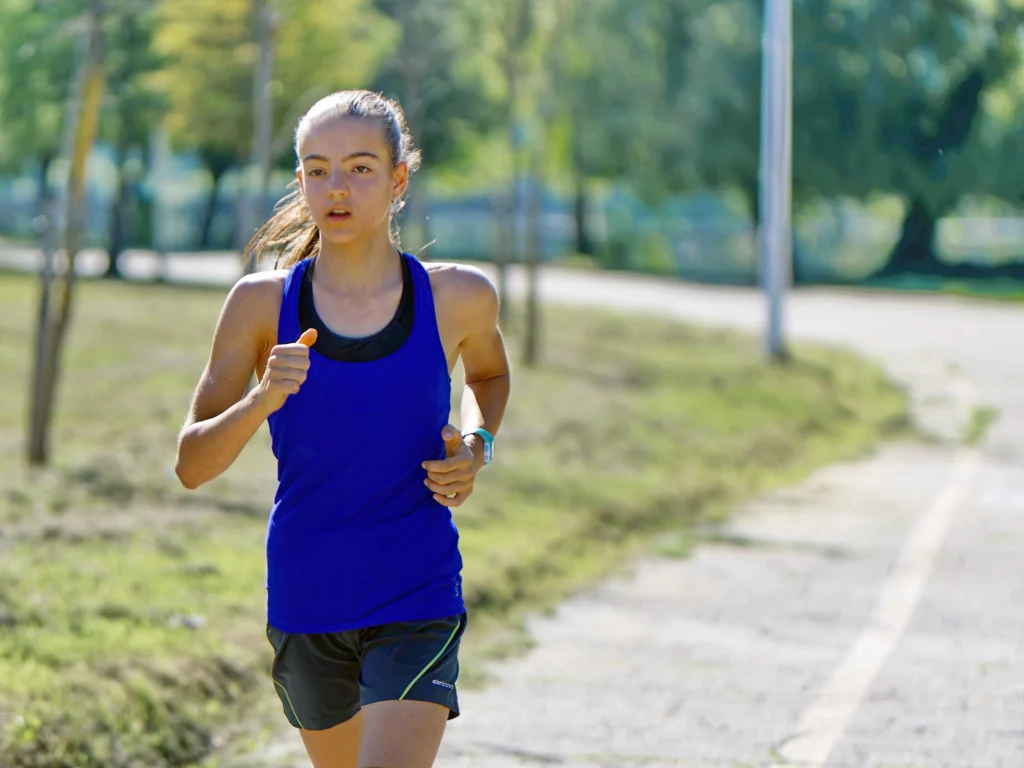

I still remember the day when many young athletes played in the field. I watched a 14-year-old girl. She was a sprinter who fell at a regional track meet.

She was fast. She was the best natural runner I ever saw at that age. Her posture was perfect. Her training was perfect. Somewhere between the starting gun and the finish line, her body just gave up on her.
After the race, I sat down with her coach. He shook his head and said something I shall never forget:
“We trained her like a machine. We just forgot to fuel her like a human.”
That story changed my view of youth sports forever. And if you’re a parent, a coach, or a young athlete reading this, it may change your life too.
Table of Contents
Why Nutrition for Young Athletes Is Different
This is what most people don’t know.
Youth athletes are not just little adults. Their bodies are trying to do two huge jobs at the same time: grow and perform. That’s a biological double shift that requires serious nutritional attention.
For example, a 15-year-old basketball player who takes to the court for a two-hour practice will burn through energy stores at an alarming rate. But, unlike a pro NBA player, he’s also strengthening his bones, building muscle tissue and going through hormonal changes that adult athletes just aren’t dealing with any longer.
The Core Pillars of a Nutrition Plan for Young Athletes

Underfeeding a young athlete isn’t just about today’s performance. It can stunt growth, weaken bones and cause lasting damage that can show up years later. I have seen it done. More than I’d care to admit.
I’ve seen it happen. More times than I’d like to admit. Let me break this down simply. No jargon. Just what actually works.
1. Carbohydrates — The Engine Fuel
Carbs aren’t the enemy. Not here. Not for young athletes.
Complex carbohydrates – such as oats, brown rice, sweet potatoes, whole grain bread – are the main source of energy for high-intensity sport. A young athlete should be loading up on these 2-3 hours before a game or training session.
Meal before the game? Grilled chicken, brown rice and steamed veggies. Easy. Useful. Proven .
2. Protein — The Builder
Protein helps to repair and rebuild muscles. After an intense workout, a young athlete’s muscles develop micro-tears that need to be repaired. That’s what’s normal. That’s how you make strength.
The question is are you giving your body the tools it needs to repair itself?
Choose lean protein sources such as eggs, chicken, fish, Greek yogurt, beans, and lentils. The general rule of thumb is somewhere between 1.2 to 1.6 grams of protein per kilogram of body weight per day for young active athletes. That’s more than most kids need, and a lot less than most are actually getting.
3. Healthy Fats — The Underrated Champion
My honest opinion is that healthy fats are the most underrated part of any young athlete’s diet.
Avocados, nuts, seeds, olive oil, fatty fish like salmon, these aren’t just good for general health. They support brain function, reduce inflammation, and help the body absorb fat-soluble vitamins. A kid who eats well-rounded fats sleeps better, recovers faster, and thinks more clearly under pressure.
Don’t skip them.
4. Hydration — The Silent Performance Killer
Even mild dehydration — as little as 2% loss in body water — can drop athletic performance by up to 10%. That’s massive.
Especially in hot weather or during heavy exercise, young athletes should drink water before they get thirsty. Thirst is a tardy warning. By the time it gets here, the damage is already underway.
As a general rule, drink water throughout the day, sip water while training and rehydrate with electrolyte-laden fluids (coconut water, diluted sports drinks) after heavy sweating.
Sample Daily Nutrition Plan for a Young Athlete (Ages 12–17)
Here’s what a solid day of eating might look like:
Breakfast (7:00 AM) Oatmeal with banana slices, a handful of almonds, and a boiled egg. Glass of water or milk.
Mid-Morning Snack (10:00 AM) Greek yogurt with mixed berries and honey.
Lunch (1:00 PM) Grilled chicken wrap with whole grain tortilla, lettuce, tomato, avocado. Fresh fruit on the side.
Pre-Training Snack (3:30 PM) A banana and peanut butter on whole grain toast.
Post-Training Recovery (6:00 PM) Salmon or grilled tuna with sweet potato and steamed broccoli. A glass of chocolate milk (yes, really — it’s a brilliant recovery drink).
Dinner (8:00 PM) Light if already eaten well. A bowl of lentil soup or vegetable stew with whole grain bread works perfectly.
The One Mistake Parents Make Most Often
They worry about what their child eats but completely disregard when they eat.
Timing is huge in sports nutrition. Eating a heavy meal within 30 minutes of a game is likely to lead to cramping and sluggishness. Post-workout nutrition is skipped, and the body has nothing to rebuild with at the most critical window – the 30 to 60 minutes after training ends.
If I could give every sports parent one piece of practical advice at this moment in time it would be this: feed your athlete up to an hour after every training session. Even a little thing. A shake. Peanut butter on a banana. Chocolate milk. Something with carbs and protein.
It feels tiny. Not the difference it makes.
A Final Word
The sprinter I referenced at the beginning of this post? The following season she was back. Her coach hired a nutritionist. They changed everything. From her diet to her relationship with food, her hydration habits, her recovery meals.
That year she won her regional championship. By a whole second.
Talent got her to the race. Nutrition got her to the finish line.
That’s the thing about properly feeding young athletes, it’s not just about today’s performance. It lays the foundation for a lifetime of strength, resilience and health.
And you know what? And that’s worth a lot more than any trophy.


