
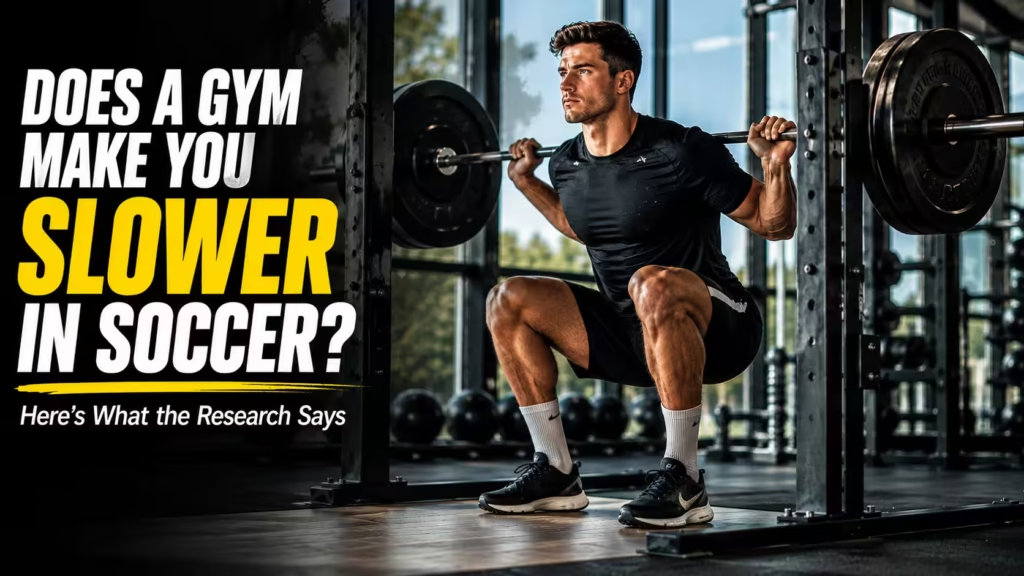

Does a gym make you slower in soccer? You’ve probably heard the claim before: “Don’t lift too much, it’ll slow you down on the field.” It sounds logical. More muscle means more weight to carry, so it seems fair to assume the gym would make you slower.
Here’s the short answer: no, going to the gym does not make you slower in soccer. Done right, strength training helps you sprint faster, jump higher, and change direction quicker. Here’s why:
- Strength training improves acceleration. It teaches your muscles to produce force faster, which is exactly what sprinting needs.
- The “bulky and slow” fear is a misunderstanding. Only bodybuilding-style programs built for size, not power, risk adding dead weight.Does a gym make you slower in soccer? Discover what sports science says about strength training, sprint speed, acceleration, and power—and learn how to lift without losing pace.
- Timing and recovery matter more than the gym itself. Players who feel slower are usually fatigued from poor scheduling, not from lifting.
Table of Contents
Where the Myth Came From
For decades, coaches worried that lifting would make soccer players “bulky” and slow. It makes sense on paper: heavier legs should mean slower legs. But that logic skips a key detail. Extra weight only slows you down if it’s fat, or muscle that can’t produce force fast. A program built for size can add dead weight. A program built for power does the opposite. It teaches your legs to push off the ground harder and faster.
What the Research Actually Says
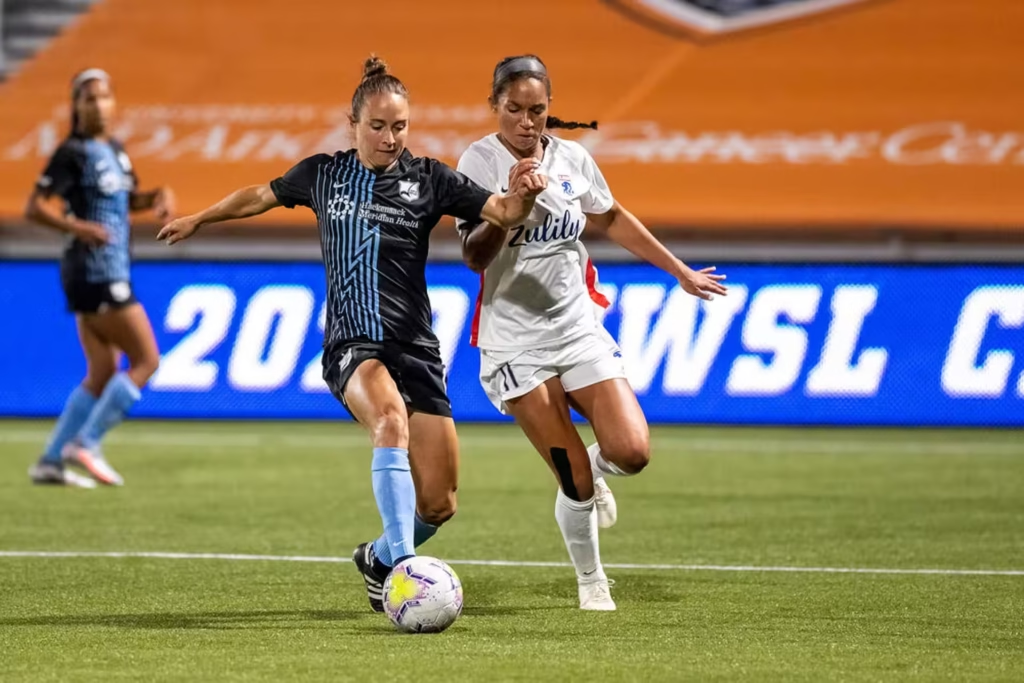
This isn’t just opinion. A large review of strength, plyometric, and combined training in high-level youth soccer players found that these methods can meaningfully improve speed, though the gains are usually small. Small enough to miss on the eye test, but big enough to matter in a sport decided by half a step.
Other research on highly trained players found that strength training tends to boost jumping ability more than flat-out sprint speed. It also found that two weekly gym sessions build strength in preseason, while just one session a week maintains it during the season. You don’t need to live in the weight room. You need a program built for soccer, not size.
Why Some Players Do Feel Slower
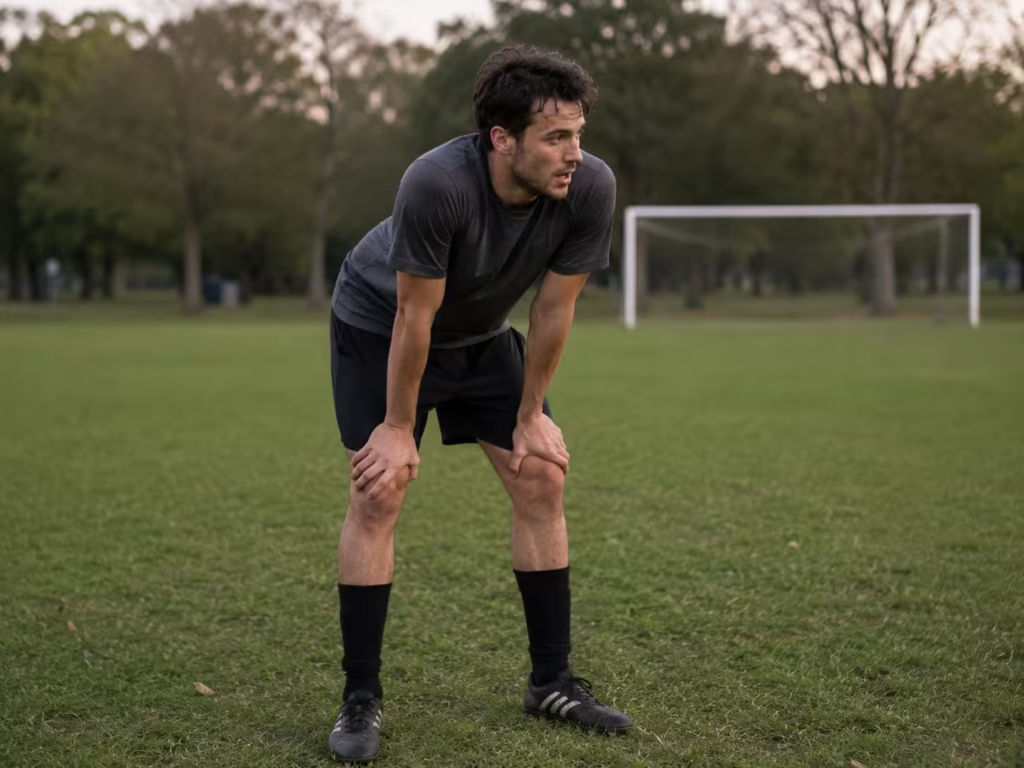
If lifting helps, why do some players feel sluggish after months in the gym? Usually it comes down to one of these: too much volume with no recovery, training for size instead of power, lifting heavy right before a match or sprint session, or skipping sprint and jump work entirely so gym strength never transfers to the field. None of this means “don’t lift.” It means lift smart.
This connects to something called the interference effect, which happens when endurance and strength training are packed too close together and your body struggles to adapt to both. Research on soccer players found that lifting before endurance work, or leaving several hours between the two, protects strength gains. Stacking heavy conditioning right on top of a lift makes the interference worse instead. Simple rule: lift first, run later, or space the two out.
How Much Gym Training Is Enough?
| Season Phase | Sessions Per Week | Focus |
|---|---|---|
| Preseason | 2 | Building strength and power |
| In-season | 1 | Maintaining strength |
| Off-season | 2 to 3 | Rebuilding strength base |
Favor heavier, lower-rep lifts and explosive movements like jump squats over high-rep pump sets. Research shows higher-intensity resistance training carries over to speed and power better than moderate-intensity, hypertrophy-style training. Pair this with plyometrics; our 9 Explosive Soccer Acceleration Drills for Beginners is a good place to start, alongside targeted work on the muscles a soccer ball actually sculpts.
How to Know If It’s Actually Working
Don’t guess based on how sore your legs feel. Soreness isn’t slowness. The only reliable way to answer this for yourself is to measure it, not feel it.
Start by picking the right device. Our Best GPS Trackers for Football Players guide compares your options so you’re not buying based on marketing alone. Once you have one, learn to use it properly. A surprising number of players get misleading numbers because of avoidable setup errors, which our 5 Shocking Mistakes Soccer Players Make Using GPS Trackers post walks through.
From there, you need to know what you’re actually looking at. Our Football GPS Metrics Explained 2026 guide breaks down which numbers matter for speed, and our 5 Expert Secrets: How to Analyze Sports Performance Data Using Smart Devices Like A Pro guide helps you turn that raw data into an actual training decision, rather than just a number on a screen.
Track your sprint speed and acceleration before and after a training block, and compare the real numbers instead of relying on how your legs feel. Also check your stamina, since late-match fatigue can look like slowness even when your sprint speed hasn’t changed at all. Our stamina training guide covers that side of things.
The Bottom Line
The gym doesn’t make you slower. Bad programming does. Strength training, done with the right exercises, intensity, and timing, builds acceleration, power, and speed. Don’t avoid the weight room. Just make sure what you’re doing in it is actually built for speed.
Frequently Asked Questions
Does going to the gym make soccer players slower? No. Research shows strength training improves speed, power, and acceleration when it focuses on strength and explosive movement, not just muscle size.
How many days a week should a soccer player lift weights? About two sessions per week in preseason to build strength, and one session per week in-season to maintain it.
Can lifting weights make you bulky and slow? Only if the program is built for size, not speed. High-volume, slow-rep training for mass can add weight without improving force output. Strength-and-power training avoids this.
Should I lift before or after soccer practice? Lift before endurance or sprint work, or leave several hours between the two, to avoid the interference effect blunting your strength gains.
Does strength training help sprint speed? Yes, though the gain is usually modest. It helps acceleration and jumping power more than top speed, so pair it with sprint-specific training.
How can I check if gym training is making me faster? Track sprint times and acceleration with a GPS tracker or wearable before and after a training block, instead of relying on how your legs feel.