
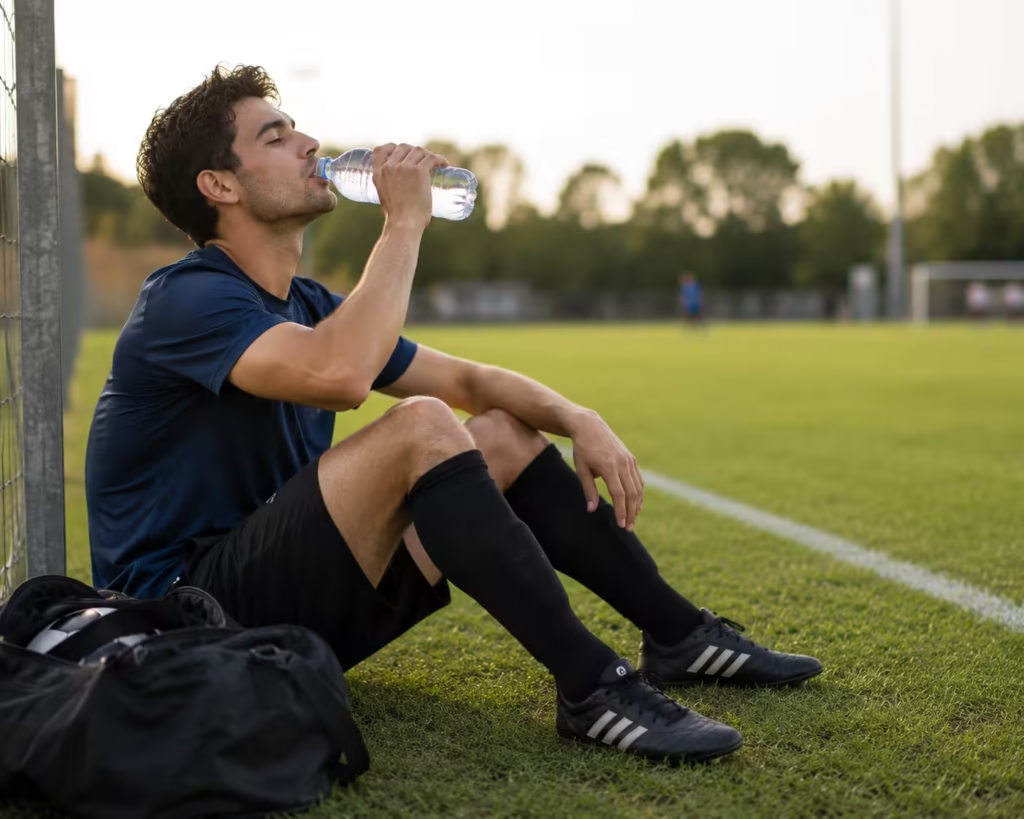

A hydration strategy for multi-game soccer tournaments can make the difference between finishing strong and fading by the final whistle. When you are getting ready to make sure your soccer players stay hydrated during a tournament weekend there is one key thing to keep in mind: you can’t fix bad hydration on Saturday by having players drink a lot of water on Sunday morning. How well the team performs during the tournament depends on being hydrated before the games during the games and especially between the games. The time, between your 9 a.m. Match and your 1 p.m. Match is usually when players. Get properly recovered or start to fall behind in hydration and energy.
Most people think that drinking water is something you do during the game. They bring a water bottle to the game. Have their players take a sip at halftime. This works fine for one game.. When you have many games in a short time like during a tournament it is different. When your players sweat a lot during three or four games in two days especially when it is very hot their bodies do not have time to recover between games. That is when they might start to feel pain in their muscles and a team that played well in the game might not play as well in the third game.
This guide will tell you what to do during and after the games to keep your players hydrated. It will also explain the difference between drinking water with electrolytes and plain water.. It will point out the mistakes that can hurt your teams chances of winning the games that are later, in the tournament.
Table of Contents
Quick Answer: Hydration Strategy for Multi-Game Soccer Tournaments

The most effective approach is to hydrate steadily before, during, and between games, not just during play, with electrolytes added on hot or humid days.
- Before the tournament → Start hydrated the night before and morning of — don’t try to “pre-load” all your fluids right before kickoff
- During each game → Drink small amounts regularly rather than large amounts occasionally, and add electrolytes if it’s hot or humid
- Between games → This is the make-or-break window — use every recovery gap to rehydrate, refuel, and cool down before the next match
- After the final whistle → Replace fluids gradually through the evening rather than stopping once you leave the field
The between-games window matters more than anything you do during a match. That’s where most tournament dehydration actually happens.
Why Hydration Breaks Down Across a Tournament Weekend
A single game is manageable. Stack three or four into one weekend and the same small gaps in your routine start compounding fast.
Recovery Windows Are Shorter Than the Body Actually Needs
Tournament schedules love to pack games two to three hours apart. NATA’s guidance for young athletes recommends at least two hours of rest between same-day contests in warm weather — already close to the bare minimum for meaningful rehydration. With warmups and travel between fields, that window shrinks fast.
Sweat Losses Sneak Up on You
Thirst is a lagging indicator. Players rarely feel “really thirsty” until they’ve already lost a fair amount of fluid. Add heat, humidity, and turf, which runs noticeably hotter than grass in direct sun, and sweat rate climbs with little warning until performance starts slipping.
Electrolytes Get Ignored Until They’re a Problem
Water alone handles fluid volume. It doesn’t touch the sodium lost through heavy sweating. In one game that barely matters. Across three games in a weekend, especially in heat, it becomes a real factor in cramping and that heavy, sluggish feeling late in matches.
Off-Field Habits Quietly Undo the On-Field Effort
Long car rides between fields. Fast food grabbed between games. Forgetting to drink while catching up with other parents on the sideline. None of it feels like a big deal in the moment, but it adds up.
The Framework: Before, During, Between, and After

Before the Tournament
Hydration begins the night not the morning of. A player who is already hydrated when they wake up plus a normal glass of water with breakfast is in better shape than someone drinking a whole bottle in the parking lot before the game starts. As an idea the NATA guidelines suggest about 500 to 600 mL (17 to 20 fl oz) two to three hours before the activity and then another 200 to 300 mL closer, to the game time. This is a starting point, not a rule that cannot be changed.
During Each Game
Small sips little by little are better than a drink at halftime every single time. On days that’re hot or feel humid a sports drink or something with electrolytes is a good idea. On days that’re cool, just water is usually enough. This goes well with our guide, about keeping track of soccer performance at home which shows ways to spot tiredness before it appears on the scoreboard.
Between Games — The Window That Actually Decides the Weekend
This is where tournaments get won or lost, physically speaking. In the gap between matches:
- Get out of the sun immediately, even under a pop-up tent
- Drink steadily instead of all at once
- Eat something with carbs and a bit of sodium: pretzels, a banana, a sandwich
- Change out of a sweat-soaked jersey if you can
Back-to-back matches also pile up exertion, similar to what we cover in what player load actually measures in football. Fatigue adds up across a tournament day even when each game feels fine on its own.
After the Final Whistle
Rehydration doesn’t stop once the last game ends. A simple rule of thumb: replace roughly 2–3 cups of fluid for every pound of body weight lost during play, spread over the following hours rather than gulped down at once, per NATA’s own hydration guidelines handout.
Water vs. Sports Drinks vs. Electrolyte Tablets
| Option | Sodium Content | Carbohydrate Content | Best Use | When to Reach for It |
| Plain water | None | None | Everyday hydration, cooler single games | Mild conditions, short single-game days |
| Sports drink | Low–moderate | Low–moderate | General tournament use | Hot/humid multi-game days |
| Electrolyte tablets or powder | Moderate–high, adjustable | Minimal to none | Heavy sweaters, hot climates | Extreme heat, visible salt residue, cramping history |
None of this replaces paying attention to how a player feels. Thirst, energy level, and urine color are still the simplest real-time signals, and both the CDC and NATA say as much.
Common Hydration Mistakes During Tournament Weekends
Even well-meaning teams fall into the same traps, weekend after weekend.

- Only drinking when thirsty. Thirst lags behind fluid loss, especially in kids and teens.
- Chugging water right before kickoff. Usually just causes discomfort.
- Leaning on electrolytes while skipping food. Carbohydrate intake between games matters just as much.
- Ignoring the ride home. Fluid and food needs don’t stop when the tournament does.
How Fast Dehydration Actually Affects Performance
Even mild dehydration, often cited around the 2% body-weight-loss mark, can start dragging down performance, per CDC heat and athlete safety guidance. That’s not much. It can happen unnoticed during a hot game, which is why the between-games window matters so much. Fatigue and a drop in sharpness usually show up gradually, and by game three it’s easy to mistake for normal tiredness.
None of this requires a complicated system. A 10-minute daily practice routine builds the habit of drinking water consistently. Hydration handles the physical side of tournament prep — if a technical issue like poor dribbling showed up in the last game, that’s worth working on separately, on its own schedule. And if your team travels for tournaments and camps, packing a simple hydration plan with the gear bag is one less thing to think about on-site.
Frequently Asked Questions
How much water should a soccer player drink between games? A good rule of thumb is replacing lost fluid steadily during the recovery window rather than all at once. Roughly 2–3 cups per pound of body weight lost, spread over the hours before the next match, lines up with standard sports-medicine hydration guidelines.
Do youth soccer players need sports drinks, or is water enough? Water is usually fine for a single game in mild weather. Once you’re into a multi-game tournament, especially in heat, a sports drink or electrolyte addition earns its keep by replacing the sodium lost through heavy sweating.
What are the signs a player is dehydrated during a tournament? Common signs include unusual fatigue, headache, dizziness, dark yellow urine, and cramping. These often appear gradually and get mistaken for normal tiredness late in a tournament day.
How long before a game should you start hydrating? Start the night before, not right before kickoff. A general guideline is 17–20 fl oz roughly two to three hours before activity, with a smaller amount closer to game time.
Can drinking too much water during a tournament be a problem? Yes, actually. Overdrinking without replacing electrolytes can dilute sodium levels, a condition called hyponatremia. Balanced intake, not maximum intake, is the safer approach across a long tournament day.
What should players eat between tournament games? Simple carbs with a little sodium work well: pretzels, a banana, crackers, or a light sandwich. Heavy or greasy food between games tends to cause sluggishness in the next match.
Does turf increase dehydration risk compared to grass? Yes. Artificial turf tends to run hotter than natural grass in direct sun, which can raise sweat rate and heat stress during day games, per CDC heat-safety guidance.
Is it normal to feel worse in the third game of a tournament than the first? It’s common, and usually signals accumulated fatigue and fluid loss rather than something being wrong. Consistent hydration and food between games is what typically prevents that drop-off.


