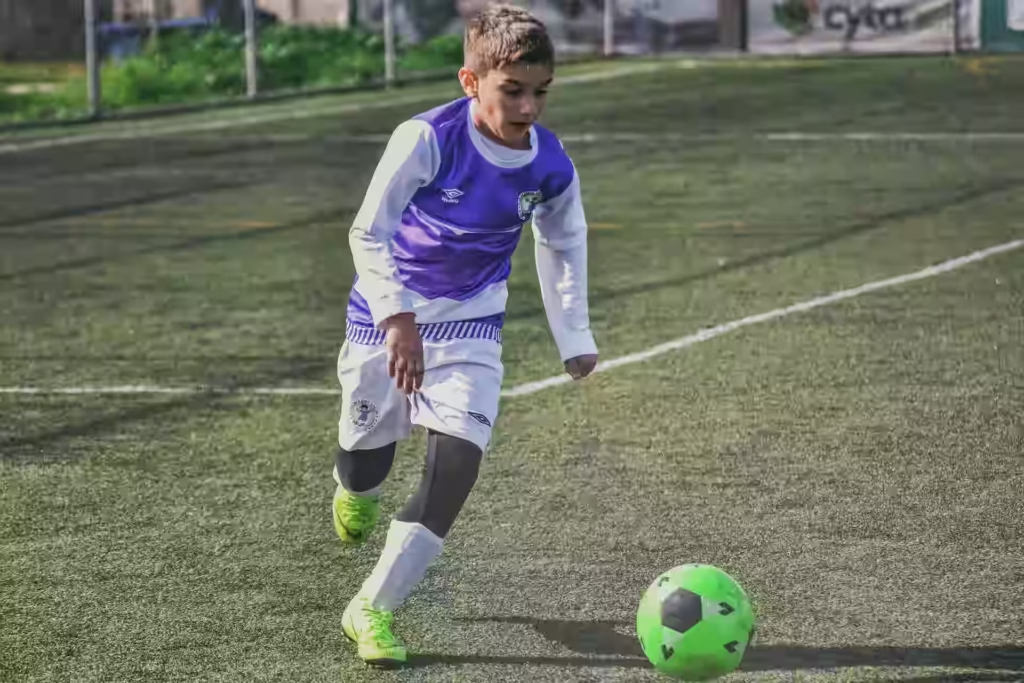

How to train for soccer when you have no team comes down to three things: a weekly plan you actually follow, a wall to pass against, and a regular way to get real games. The seven steps below break each one down. Nail those and you won’t trail players with a full-time coach by nearly as much as you’d fear.
Quick answer: To train for soccer without a team, do four or five short sessions a week. Mix wall passing, close-control work, sprint intervals, and scanning habits. Add one pickup or small-sided game every week, and film yourself so you can see real progress.
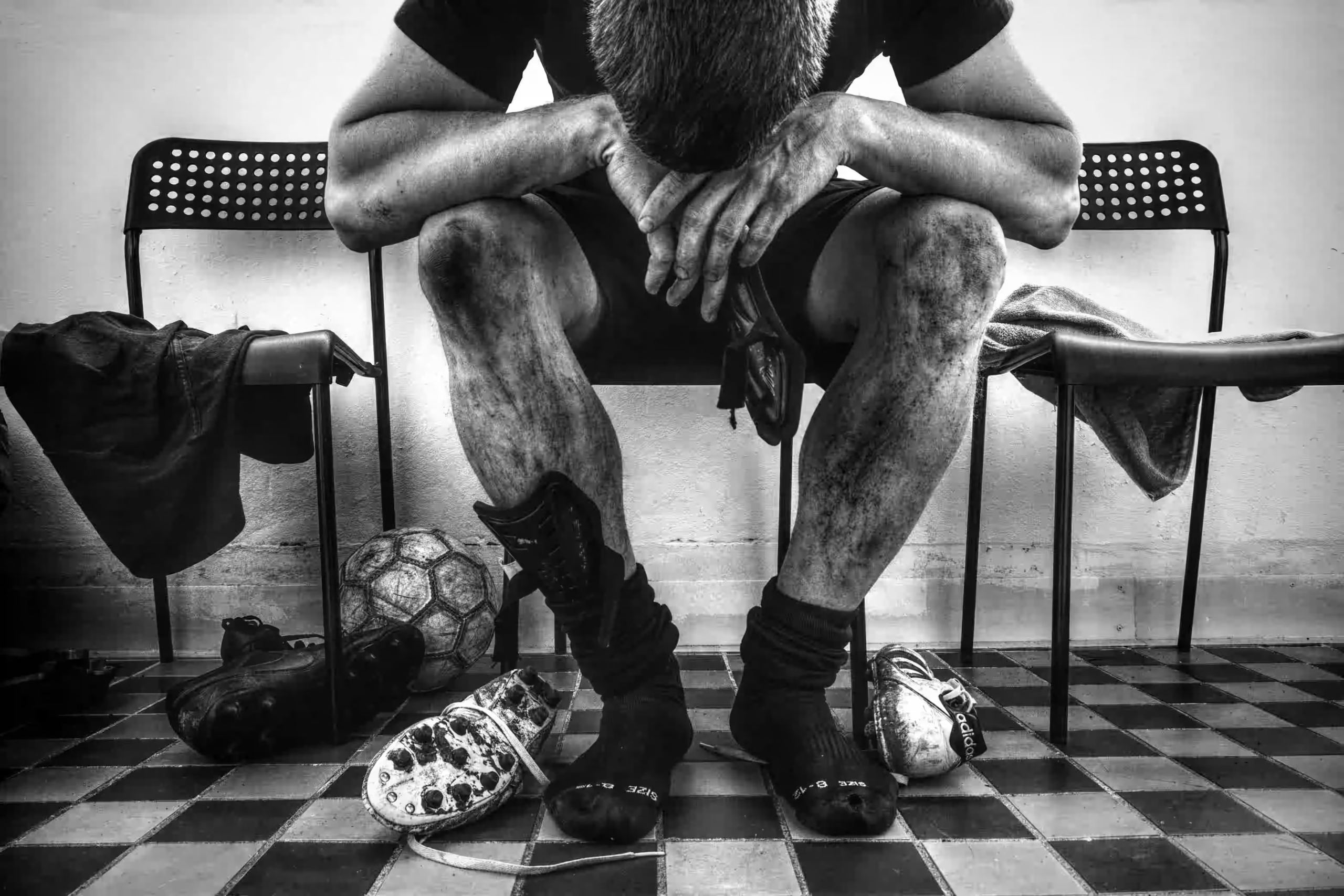
Not having a team stings. Maybe you got cut. Maybe you moved and don’t know anyone yet. Maybe the season just ended and nothing’s lined up. Whatever the reason, the ball doesn’t care, and your routine shouldn’t either.
So let’s use the time.
Why You Can Still Train for Soccer When You Have No Team
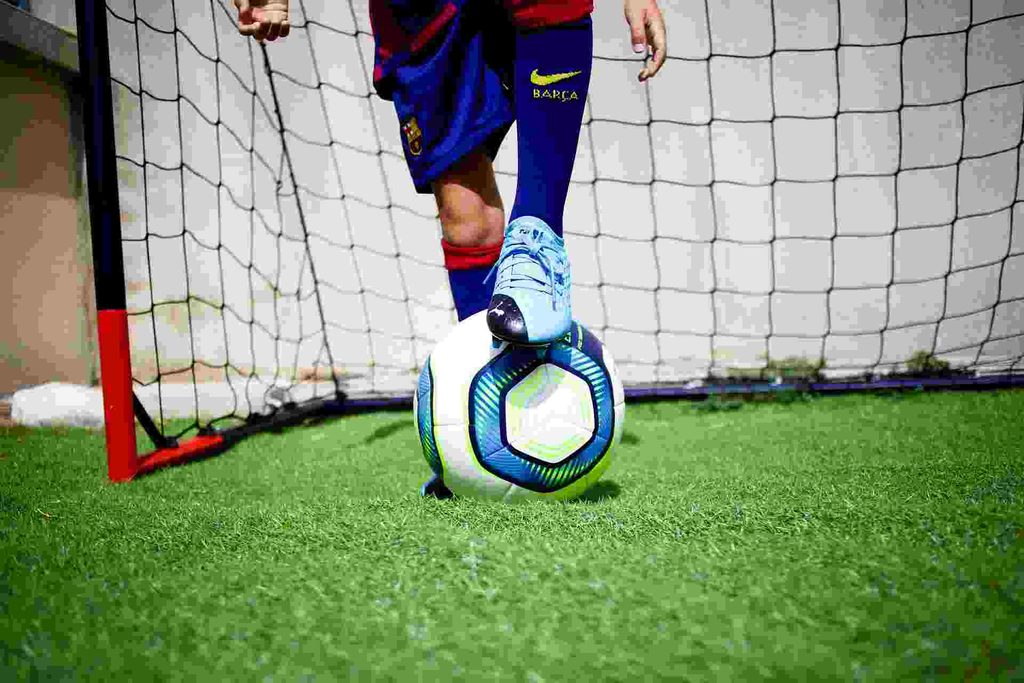
Team practice gives you tactics and match rhythm. Training alone gives you something else: reps. Hundreds of touches in a single session, and no standing in line for your turn at a drill.
Plenty of players only get one or two team sessions a week anyway. What they do on their own is where a lot of the technical gap closes.
Most solo advice stops at “juggle more.” That’s it. You need a plan, a bit of pressure, and a way to check you’re improving. The steps below cover all three.
1. Build a Simple Weekly Plan First
Random training feels productive and goes nowhere. With no coach checking in, the structure has to come from you, because nobody else will hold you to it. Pick a schedule, stick with it for four weeks, and only then start tweaking.
A starter week looks like this:
| Day | Focus | Time |
|---|---|---|
| Monday | Wall passing and first touch | 40 min |
| Tuesday | Sprints and acceleration | 30 min |
| Wednesday | Rest or light mobility | 15 min |
| Thursday | Close control and dribbling | 40 min |
| Friday | Scanning and finishing | 35 min |
| Saturday | Pickup game or small-sided match | 60 min |
| Sunday | Full rest | 0 min |
Brand new to structured work? Our 30-day beginner soccer training plan eases you in gently. And on days when life gets in the way, the 10-minute soccer practice routine keeps the habit alive.
2. Use a Wall as Your Passing Partner
A wall sends back every pass you hit, whether it was good or terrible.
Start with two touches from five yards: control it, pass it back, switch feet. Then go one-touch. Then add movement, so you pass, sidestep, and receive on the move.
Chalk a small target on the wall and aim for it. Count your clean returns in 60 seconds, then try to beat that number tomorrow. Chasing a personal best against a brick wall sounds silly until you’re doing it.
Keep sessions short. Fifteen focused minutes beat an hour of lazy kicking.
The wall is also the cheapest training partner you’ll ever find. It never cancels, never runs late, and never gets tired of your mistakes.
3. Sharpen Close Control in Tight Spaces
Matches are crowded. Your touch has to hold up under pressure, even when the pressure is imaginary.
Set up a box about three yards by three yards with cones or shoes. Dribble inside it using sole rolls, inside-outside touches, and quick turns. The rule is simple: the ball never leaves the box. If it does, start the count again.
No yard? Indoors works too, and our guide to training soccer in your room without making noise shows how to keep the peace at home. If beating defenders is what trips you up, how to fix poor dribbling in soccer is the next place to look.
4. Train Your Fitness, Not Just Your Touch
Soccer is a game of short sprints and short breaks, over and over. A slow five-mile jog doesn’t look much like that.
Try this: sprint 20 yards, walk back, and repeat eight times. Rest two minutes, then go again for two or three sets in total. Pair it with the soccer acceleration drills for beginners to sharpen your first few steps.
Some research backs short sprint blocks. In a four-week study of 29 under-17 players, repeated sprint training improved sprint and repeated sprint performance. Twenty-nine players isn’t many, so take it as encouragement, not proof.
Running out of gas late in matches? These soccer stamina training tricks help.
Add bodyweight strength twice a week: squats, lunges, single-leg hops, planks. New to lifting? Learn the form first. Sloppy reps don’t build speed, they just invite injuries.
Warm up before every session, too. FIFA’s 11+ routine costs nothing and needs no equipment. Part of the research behind it is a landmark 2008 BMJ trial in young female footballers. With nobody around to notice a cold start, the warm-up is your protection.
5. Train Your Head With Scanning Habits
Good midfielders look around before the ball arrives. You can build that habit alone.
Before each wall pass, glance over your shoulder and name the open space, out loud if you don’t mind talking to a wall. Then receive and turn toward it. Do it every single rep until you stop having to think about it.
Want more exercises? These soccer scanning drills have plenty. You can also watch a full match and follow one player who never touches the ball. It’s dull for ten minutes, then it clicks.
6. Film Yourself and Track Progress
Without a coach, nobody tells you your plant foot is too far from the ball. A phone fixes that.
Prop it against a water bottle and film two minutes of wall work. Watch it back. The flaws show up fast, and they’re usually a little embarrassing. Compare clips every two weeks.
Track a few simple numbers as well: clean wall passes in 60 seconds, your juggling record, your 20-yard sprint time. Our guide to tracking soccer performance at home needs no gear at all, and soccer performance data goes deeper if you want more metrics.
7. Find Real Games Without a Team
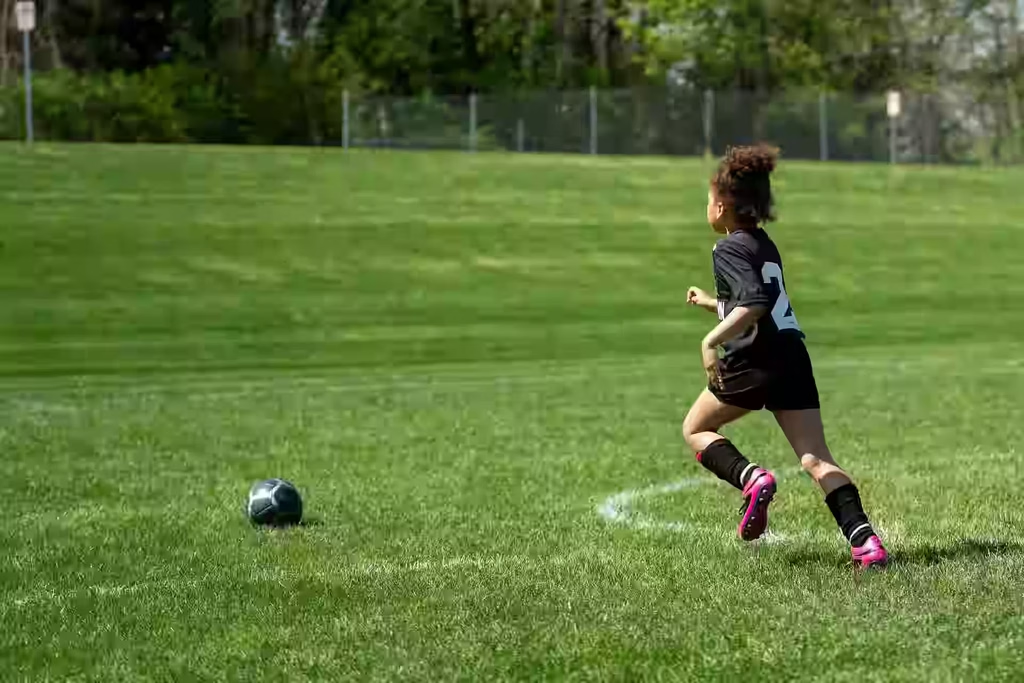
Most guides go quiet right here, which is odd, because this is the part that matters. Skills built alone need match pressure to stick. Without games, a solo plan is missing its biggest piece.
Your options:
- Pickup games. Check local Facebook groups, Meetup, and park noticeboards.
- Adult rec and futsal leagues. Many take individual sign-ups and place you on a team.
- Open trials. Local clubs run them, so ask. Compare youth pathways in USYS vs US Club Soccer, and browse US Soccer to see how the official pathway works.
- College goals. Start with how to get recruited for college soccer.
When you message a coach or organizer, be specific: your position, your age, the days you can play. Vague messages tend to get ignored.
How Much Should You Train for Soccer When You Have No Team?
More isn’t always better. Rest is part of the plan.
For players under 18, the American Academy of Pediatrics advice, summarized by American Family Physician, is to limit each sport to five days a week, with at least one day off from all organized activity. It also suggests two to three months away from a sport each year.
One children’s hospital physician adds a rough rule: don’t train more hours per week than your age, as Cook Children’s explains. The National Athletic Trainers’ Association goes further and recommends at least two days off per week for adolescent athletes, according to its official statement on youth sport specialization. Adults can use the same ideas as a sensible ceiling.
Not sure where your limit sits? Read how often you should train soccer and why rest days matter. If pain lingers for days, see a doctor.
3 Mistakes That Stall Solo Players
Even with a solid plan, three habits can stall you.
Only juggling. It builds touch, sure, but matches don’t happen standing still.
Never testing under pressure. If every rep is comfortable, nothing changes. Set a timer, add a rule, or play a game.
Skipping rest. Tired legs mean sloppy touches, and sloppy touches become bad habits.
Frequently Asked Questions
How do I train for soccer when I have no team?
How to train for soccer when you have no team starts with a weekly plan of four or five short sessions: wall passing, close control, sprint intervals, and scanning work. Add one pickup game each week and film yourself to track progress.
Can you get good at soccer without a team?
Yes. Solo training builds touch, fitness, and decision habits. But you still need regular games, because match pressure is what makes those skills usable.
How long should I train alone each day?
Thirty to forty minutes of focused work is plenty for most players. Keep at least one full rest day each week, and see a doctor if pain doesn’t ease.
What equipment do I need to train alone?
A ball, a wall, a few cones or shoes, and a phone for filming. That’s enough to follow every drill in this guide.
Final Thoughts

No team is a setback, not a stop sign. Training alone means you set the schedule, choose the drills, and decide the standard.
So pick a day this week, grab a ball, and head to the wall. You can figure out the rest as you go.