
A good soccer cleat sizing guide starts with one honest truth: your regular shoe size is a starting point, not an answer. Cleats are meant to fit closer to your foot than a sneaker, and every major brand cuts its lasts a little differently, so a size 9 in one brand can feel completely different from a size 9 in another. That’s why so many players end up with cleats that are technically “the right size” and still feel wrong.
The fix isn’t guessing based on your street shoe size. It’s measuring your actual foot length in centimeters, understanding how your preferred brand tends to run, and knowing which sizing myths are wasting people money. Nike’s own fit guidance even acknowledges this, noting that fit varies by cleat line, not just by brand. This soccer cleat sizing guide walks through exactly that, plus the seven mistakes that trip up most first-time buyers.
Table of Contents
How to Measure Your Foot the Right Way
This is the step most sizing guides skip, and it’s the one that actually matters. Skip the shoe box and grab a piece of paper instead. Stand on it with your full weight down, trace around your foot, and measure from your heel to the tip of your longest toe in centimeters. That number, not your usual shoe size, is what you should be matching against a brand’s actual size chart. SOCCER.COM’s shoe size converter is a solid reference once you have that measurement, since it lines up US, UK, and EU sizing across the major brands.
The reason this matters: soccer cleats are designed to sit close to your foot, generally somewhere between zero and five millimeters longer than your measured foot length. That’s a much tighter tolerance than running shoes, which are built to leave room for your foot to expand on impact. Measuring in centimeters gives you one consistent number to check against any brand, instead of trusting a size label that means something slightly different everywhere.
Soccer Cleat Sizing Guide by Brand
No two brands fit the same way, and pretending otherwise is where most of the confusion online comes from.
Nike
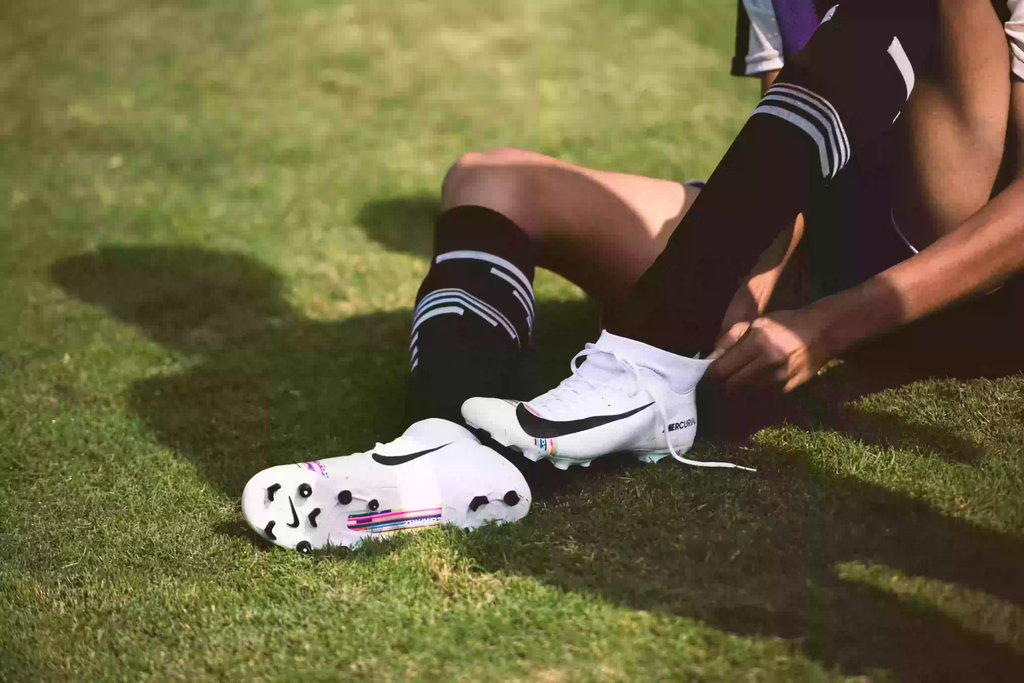
Nike’s cleats are generally cut on a narrower, more performance-focused last, and models like the Mercurial line run especially snug through the midfoot. Recreational and amateur players usually don’t need to size down, but some players who prefer a locked-in touch on the ball go a half size smaller than usual. The Tiempo and Phantom lines are noticeably roomier than the Mercurial, so if Nike feels tight, switching lines can solve the problem before you even touch the size chart.
Adidas
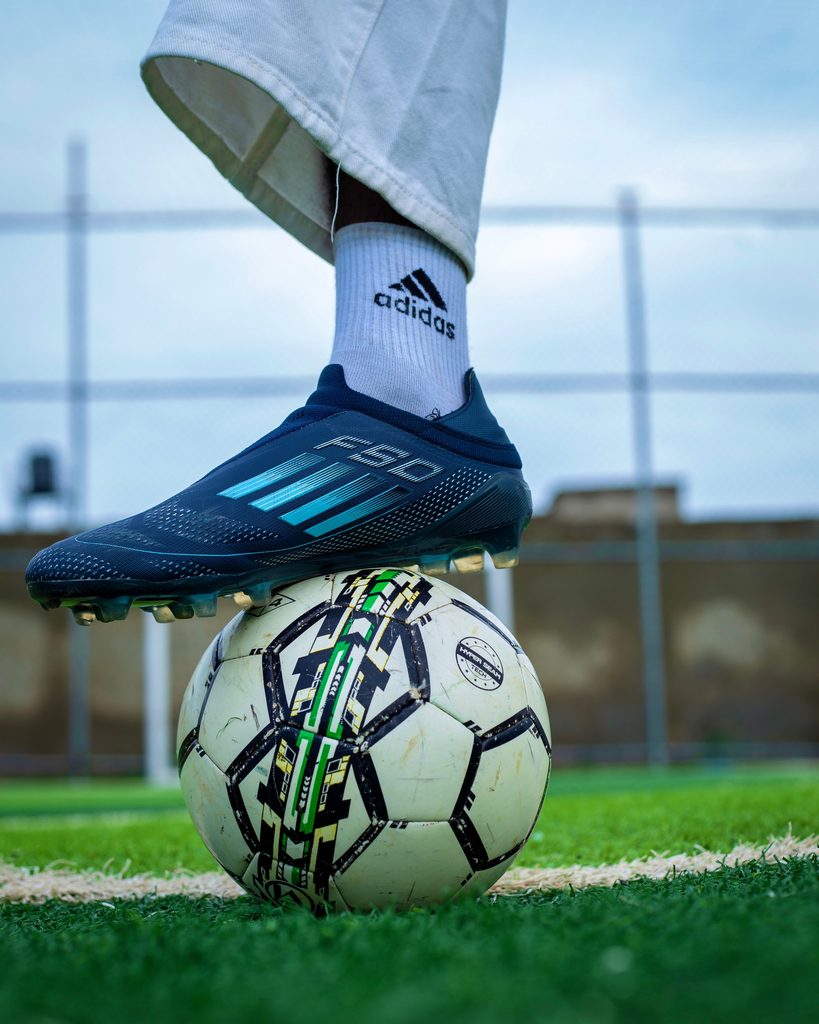
Adidas tends to run true to length but wider through the midfoot and toe box, which is a big part of why players with wider feet often gravitate toward the brand. The Copa line in particular is known for a roomier, more forgiving fit, while models like the Predator sit snugger.
Puma
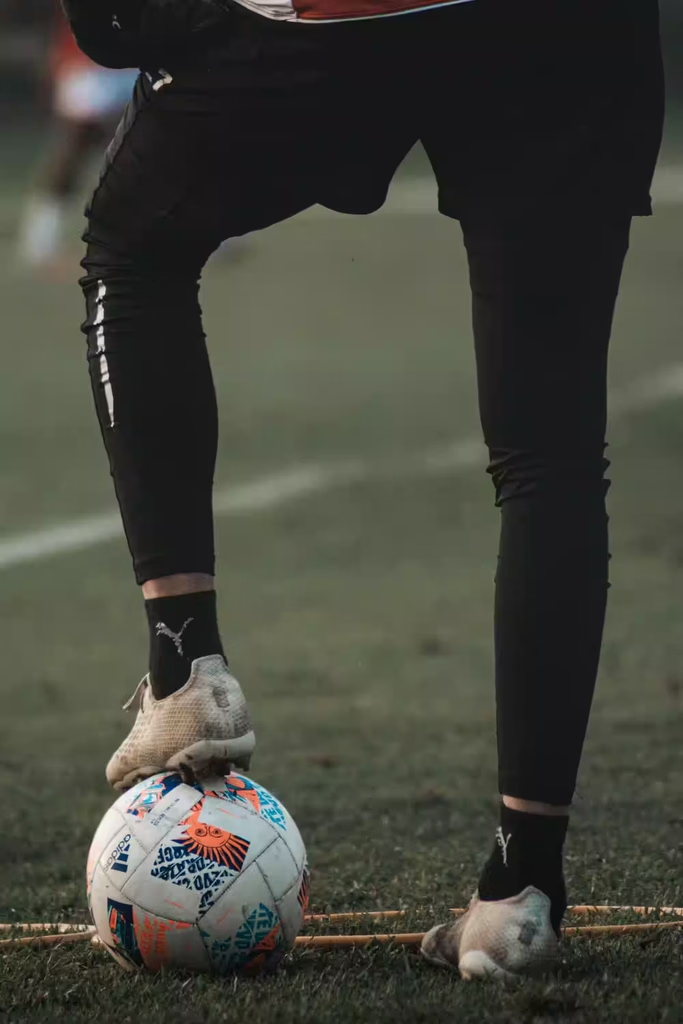
Puma sits in the middle. Most players find it true to size, though the fit is snug through the midfoot for stability. If you’re between sizes or prefer a bit more room, sizing up half a size is common advice from retailers who sell all three brands side by side.
Mizuno and New Balance
Both brands lean on leather or leather-like uppers that break in and mold to your foot over the first few wears, so a fit that feels slightly snug out of the box often relaxes within a couple of sessions. New Balance also stands out as one of the only brands offering a genuine wide-width option built into the last itself, rather than relying on the material to stretch.
7 Costly Soccer Cleat Sizing Mistakes to Avoid
Most of the “true to size” confusion online comes down to one of these seven mistakes. Any soccer cleat sizing guide worth trusting should walk through all of them, not just tell you to order your usual size.
- Buying by your everyday shoe size instead of a cm measurement. Your street shoe size doesn’t translate cleanly across brands, but a centimeter measurement does.
- Fixing a width problem by sizing up in length. This just adds dead space at the toe while the pressure across the widest part of your foot stays exactly the same. Our soccer cleats for wide feet guide covers what actually solves a width problem.
- Ignoring what the upper material will do over time. Leather stretches a few millimeters as it breaks in. Synthetic uppers largely don’t, so a snug synthetic fit on day one stays snug.
- Trying cleats on without your match socks. Thick match socks change the fit noticeably compared to thin dress socks or bare feet.
- Trusting a single “true to size” claim across every model in a brand’s lineup. Fit varies by specific model, not just by brand. A Nike Tiempo and a Nike Mercurial won’t fit the same even in the same labeled size.
- Buying kids’ cleats a full size up “to grow into.” Loose cleats hurt control, increase blister risk, and can actually affect balance during quick direction changes. A half size of room is a more reasonable buffer than a full size.
- Assuming the same size number works across men’s and women’s lines. Most brands use roughly a 1.5-size difference between men’s and women’s listings, so a women’s size 9 typically lines up with a men’s 7.5, not a men’s 9.
Quick Reference: Soccer Cleat Sizing Guide Comparison Table
| Brand | General Fit | Sizing Note |
|---|---|---|
| Nike | Narrow, true to size in length | Mercurial runs snug; Tiempo and Phantom are roomier |
| Adidas | True to length, wider toe box | Copa is the most forgiving line for wider feet |
| Puma | True to size, snug midfoot | Some players size up half a size for comfort |
| Mizuno | True to size, soft leather | Breaks in quickly, minimal stretch needed |
| New Balance | True to size, true wide option | Best choice for a genuine wide-width fit |
Men’s, Women’s, and Kids’ Sizing
Most major brands apply roughly a 1.5-size gap between men’s and women’s listings, so converting between the two isn’t guesswork, it’s a fairly consistent formula across Nike, Adidas, and Puma. For kids, resist the urge to size up for growth. A snug, properly fitted cleat supports better balance and control, and most young players outgrow cleats before they wear out anyway, so there’s little upside to buying room you don’t need yet. That’s really the whole philosophy behind a good soccer cleat sizing guide: fit for the season you’re actually playing, not the size you hope to grow into.
Frequently Asked Questions
Do soccer cleats run true to size? It depends on the brand and even the specific model. Puma and Mizuno tend to run close to true to size, Adidas runs true to length but wider, and Nike’s Mercurial line runs narrow and snug compared to its Tiempo and Phantom lines.
Should I size up or down for soccer cleats? Most recreational players should stick close to their measured foot length rather than sizing down. Sizing down is mainly a preference among elite players chasing a more sensitive touch on the ball, and it isn’t necessary for most people.
How do I measure my foot for soccer cleats? Trace your foot on a piece of paper while standing with your full weight down, then measure the length in centimeters from heel to longest toe. Match that number against the brand’s actual size chart rather than your regular shoe size.
Do Nike soccer cleats run small? Nike cleats generally run true to size in length but narrow through the fit, especially the Mercurial line. The Tiempo and Phantom lines offer a noticeably roomier fit in the same labeled size.
How much space should be at the toe of a soccer cleat? Somewhere around zero to five millimeters past your longest toe is the general target, much tighter than a running shoe, since cleats are built to feel like an extension of your foot rather than a cushioned shoe.
Should kids’ soccer cleats be bought a size bigger to grow into? No. A half size of room is a reasonable buffer, but a full size up hurts control and balance and increases blister risk. Most kids outgrow cleats before they wear out.creases blister risk. Most kids outgrow cleats before they wear out.