
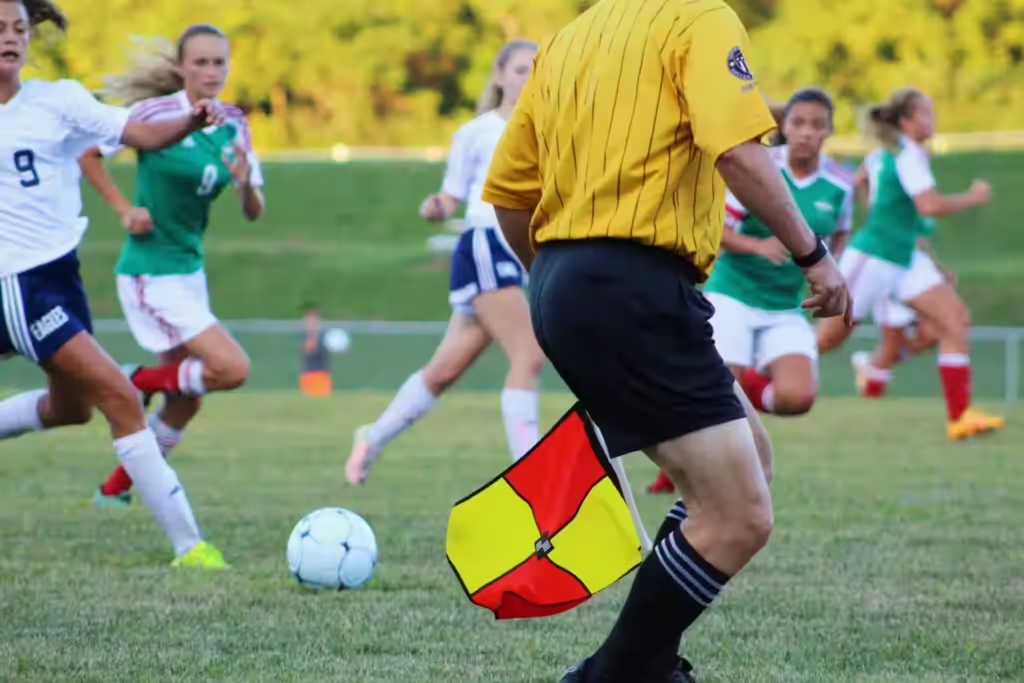

Soccer referee running distance typically lands between 9 and 13 kilometers per match for the center referee, right in the same range as a hardworking midfielder. Assistant referees cover far less ground, usually somewhere around 5.5 to 7 kilometers, but a much bigger share of that distance comes from sideways shuffling rather than straight-line running. Same job title, completely different physical demand.
That gap makes sense once you think about what each role actually requires. The center referee has to stay close enough to play to make split-second calls anywhere on the pitch. The assistant referee is essentially tethered to the offside line, which means constant lateral movement instead of the varied running pattern the center official deals with. Here are seven things worth actually knowing about these numbers, not just the headline figure everyone repeats.

1. Soccer Referee Running Distance Averages 9 to 13 Kilometers
A study analyzing referee positioning through spatiotemporal tracking data puts center referees at 9 to 13 kilometers per match, with roughly 17% of that total covered at high intensity. That range holds up fairly consistently across multiple studies, which is unusual for sports science research, where numbers often swing wildly between papers.
2. Assistant Referees Run Far Less, But Sideways
This is the fact that surprises people most. Assistant referees typically cover somewhere between 5.5 and 7 kilometers, roughly a third to half less than the center referee. But research comparing field and assistant referee physical demands found that a substantial share of an assistant referee’s total distance, sometimes close to 30%, comes from sideways movement rather than forward running. It’s a completely different physical skill than sprinting, closer to what a tennis player or a boxer trains for than a distance runner.
3. High-Intensity Running Matters More Than the Total Number
Total soccer referee running distance is the number everyone quotes, but it hides the more useful detail. Center referees generally cover a meaningfully higher proportion of their distance at high speed compared to assistant referees, even though the two roles sometimes post surprisingly similar sprint distances. In other words, a referee’s fitness demands aren’t really about endurance jogging, they’re about repeatedly hitting high speed in short bursts, then recovering, over and over for 90-plus minutes.
4. Distance Drops Noticeably in the Second Half

Fatigue shows up in the data almost every time this gets studied. Referees consistently cover less ground in the second half than the first, particularly when it comes to backward running, sideways movement, and high-intensity efforts. It’s the same pattern seen in outfield players, and it’s part of why fitness testing and in-season conditioning matter as much for officials as it does for anyone on the field. Our breakdown of how soccer referee fitness actually gets tested covers the standards referees are held to specifically because of this kind of second-half drop-off.
5. Female Officials Show the Same Pattern at Slightly Lower Volume
Research on elite female match officials found field referees averaging around 9.5 kilometers per match and assistant referees around 5 kilometers, tracking closely with the men’s game once you adjust for the generally lower absolute distances seen across women’s soccer more broadly. The relative demands, and the fatigue pattern across halves, look strikingly similar between the men’s and women’s games.
6. Has VAR Changed How Much Referees Run?
This is a genuinely interesting, more recent question. A study examining VAR’s effect on match physical demands in Spain’s LaLiga found some increase in higher-speed running categories after VAR implementation, though the differences weren’t statistically significant. The likely explanation is that VAR review stoppages give referees brief recovery windows during a match, but it doesn’t meaningfully change the total physical workload they’re covering once play restarts.
7. Elite Referees Cover More Ground Than Amateur Ones

Competition level moves the number just like it does for players. Elite referees officiating top-flight matches generally cover more total soccer referee running distance and a higher proportion of high-intensity running than amateur or lower-league officials, largely because the pace of play itself is faster at the top level. It’s the same logic covered in our piece on how far a soccer midfielder actually runs per game, match tempo and tactical intensity drive the running demand more than fitness level alone.
How Soccer Referee Running Distance Actually Gets Measured
None of these figures exist without GPS-based tracking technology worn during matches and training. Our guide on how soccer teams use GPS tracking covers the same underlying systems applied to outfield players, and if you’re specifically shopping for referee-appropriate gear, our roundup of the best GPS trackers for soccer referees covers what to actually look for. If you’re curious which specific numbers are worth paying attention to beyond total distance, our breakdown of soccer performance data worth tracking applies just as directly to officials as it does to players. Interestingly, the position that benefits least from all this tracking technology is the goalkeeper, who covers barely any ground compared to everyone else on the pitch, though modern goalkeeper technology has found plenty of other data worth measuring instead.
Frequently Asked Questions

How far does a soccer referee run during a match? Soccer referee running distance for the center official typically falls between 9 and 13 kilometers per match, with roughly 17% of that covered at high intensity.
Do assistant referees run as much as the center referee? No. Assistant referees typically cover between 5.5 and 7 kilometers per match, noticeably less than the center referee, but a large share of that distance comes from sideways movement rather than forward running.
Why do referees run less in the second half? Fatigue accumulates over the match, and research consistently shows referees covering less distance in the second half, particularly in backward running, sideways movement, and high-intensity efforts.
Has VAR reduced how much referees run? Not meaningfully. Research on VAR’s introduction found a small, statistically insignificant increase in some higher-speed running categories, suggesting VAR review stoppages don’t substantially change a referee’s overall physical workload.
Do female referees run the same distance as male referees? The pattern is very similar, though the absolute numbers run slightly lower. Elite female field referees average around 9.5 kilometers per match, compared to roughly 11 kilometers for elite male field referees.
Do elite referees run more than amateur referees? Yes, generally. Elite referees officiating faster-paced, higher-level matches tend to cover more total distance and a higher share of high-intensity running than amateur or lower-league officials.


